Our Solutions

The solution depends on how each company works.

Not all systems need to solve the same thing. Some companies need to automate internal tasks; others need to integrate platforms, improve process tracking, centralize data, or build tools that faithfully reflect their business rules.

Therefore, we structure our solutions based on specific operational needs, not closed packages.

Operations & Processes

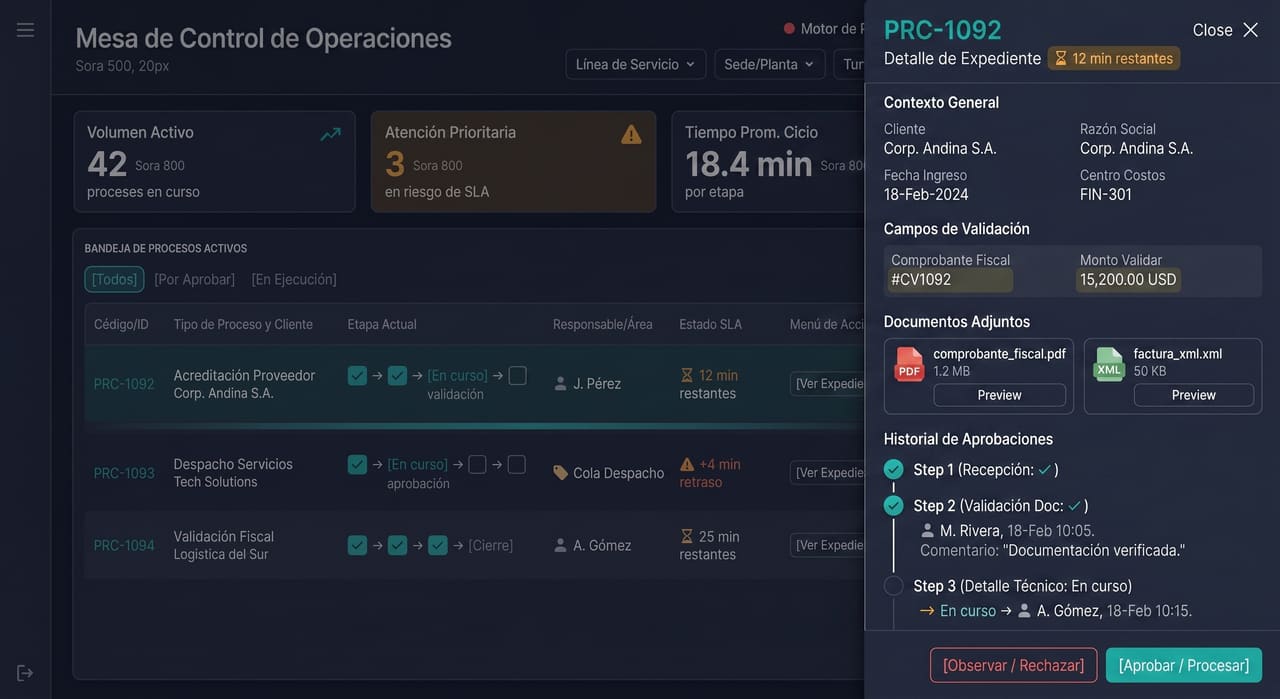
Operations Systems

We develop systems to coordinate internal processes, automate tasks, and connect workflows across the different areas of your organization, reducing operational load and the margin of error.

  • Process orchestration and automation.
  • Validation, approval, and task tracking workflows.
  • Logical integration between existing tools and platforms.
  • Real-time tracking of statuses, responsibilities, and deadlines.
  • Internal-use tools designed exclusively for your daily operation.
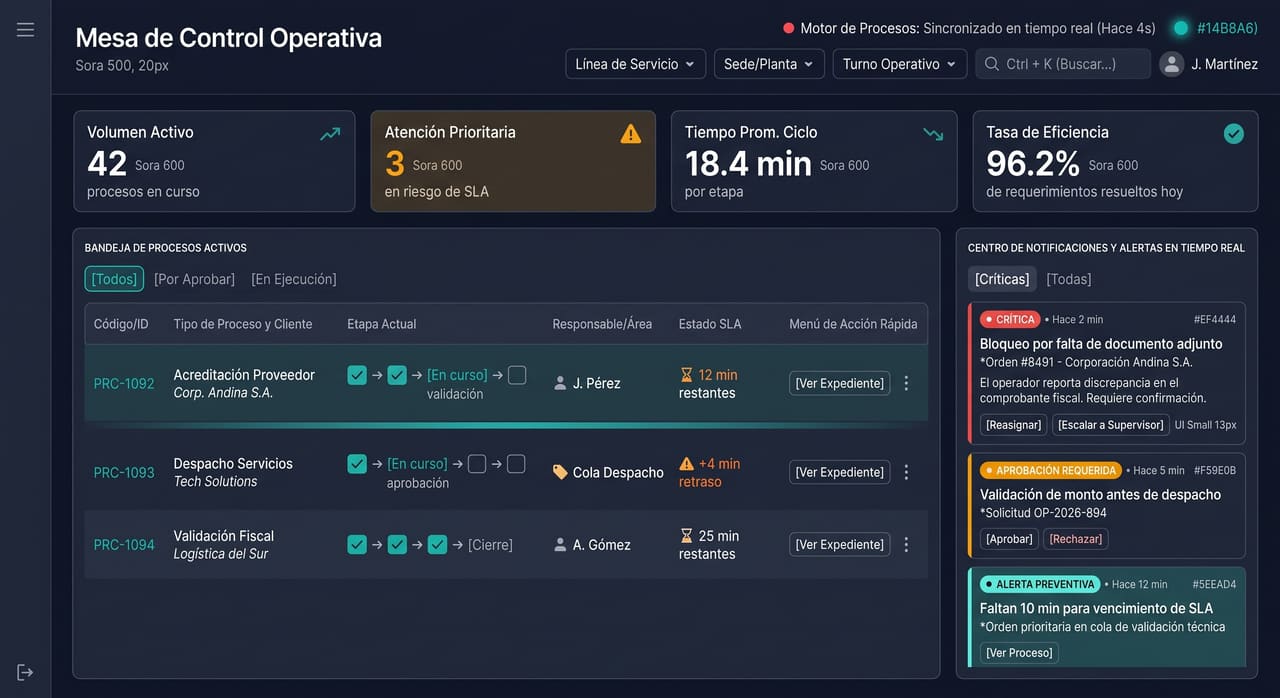
Cropped screenshot of an operational task table and real-time job queue
Organization & Control

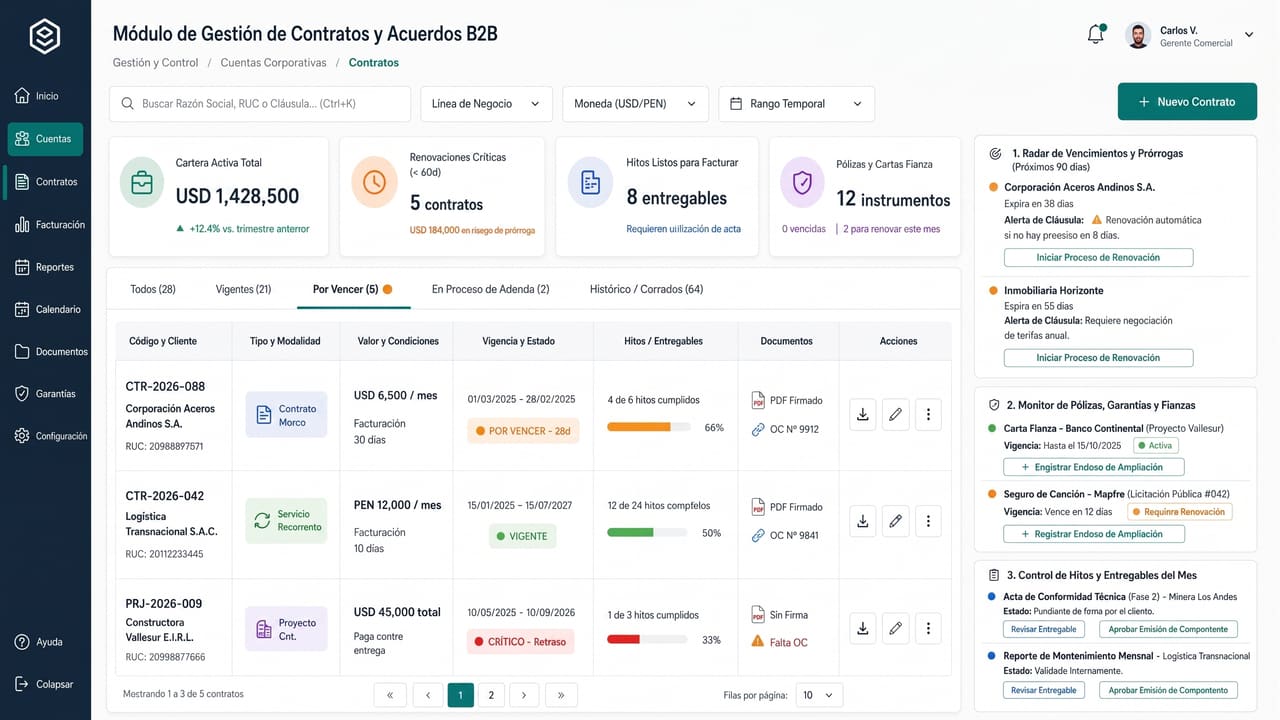
Management & Control

Custom platforms to organize your business information, provide detailed tracking for each process, and maintain centralized control over your clients, activities, and internal workflows.

  • Management platforms and custom CRM.
  • Document control, digital archiving, and process history.
  • Centralized tracking of cases, requests, and issues.
  • Dashboards and traceability for institutional workflows.
  • Coordination channels and B2B relationship flows.
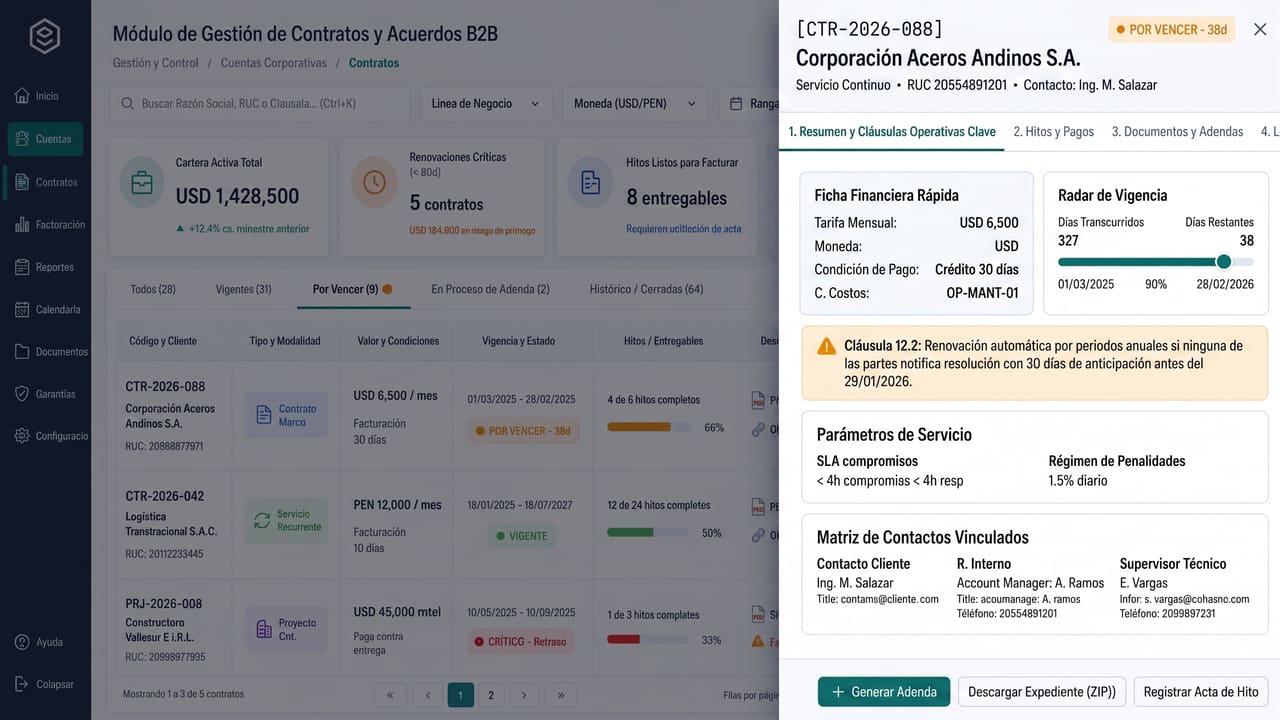
Screenshot of a CRM panel with client details and sales accelerator interface
Data & Decisions

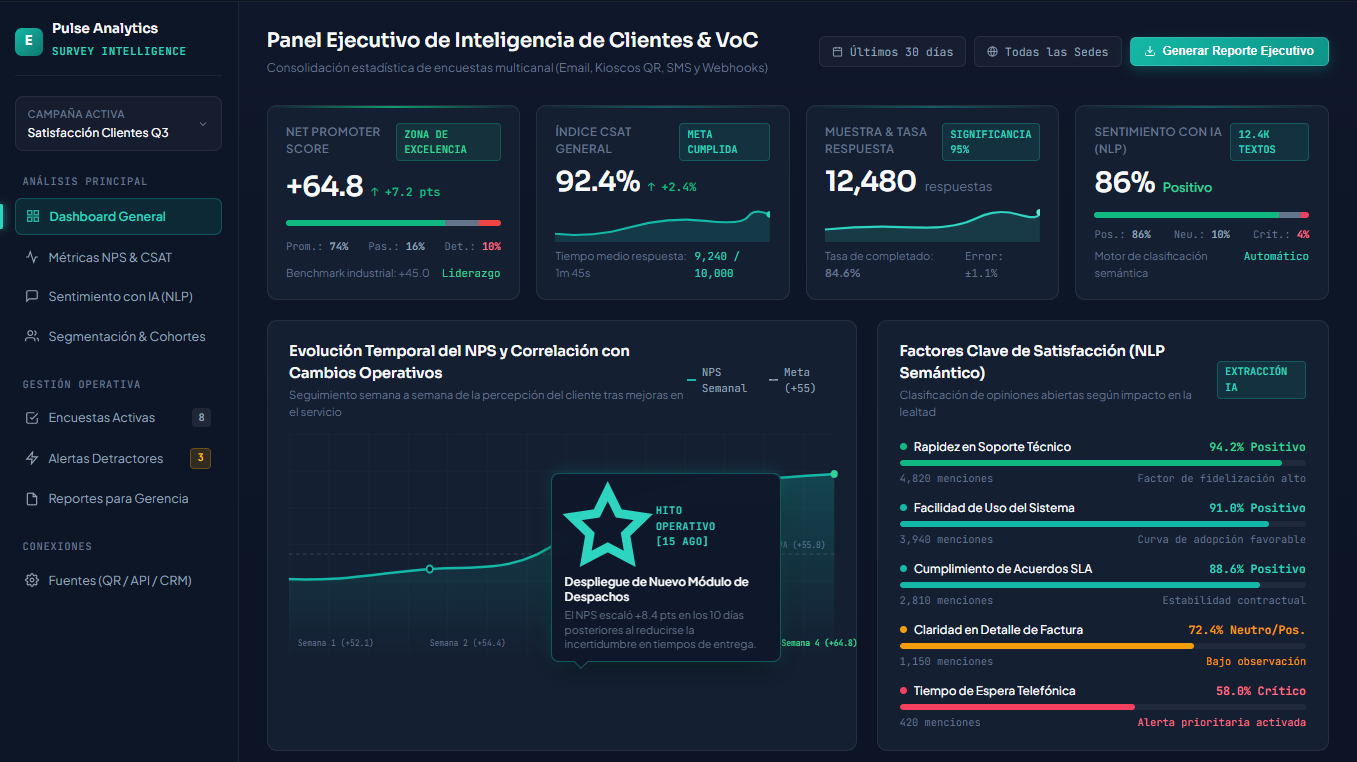
Data & Analytics

Systems designed to consolidate your company's scattered information, generate structured reports, and facilitate operational reading and decision-making through organized data.

  • Operational dashboards and real-time control panels.
  • Data analysis and AI reporting for auditing, control, and management.
  • Integration and consolidation of information from multiple sources.
  • Indicators for measuring time and efficiency in processes.
  • Statistical systems applied directly to daily operational control.
Screenshot of a business intelligence dashboard with analytical charts and conversion funnel
Operational Cases

Common scenarios requiring custom solutions

As operations grow, processes begin to overflow common office tools or rigid systems. Identify if your organization finds itself in any of these common scenarios:

Information is scattered across multiple disconnected tools.
There are repetitive and manual tasks between departments that slow down operations.
Teams operate with duplicate, outdated, or unreliable data.
The current software is rigid and does not reflect your actual business rules.
Critical integrations depend on manual file exports or spreadsheets.
There is no clear traceability over the status, owners, or history of processes.
Methodology

Before building, we define what is needed to support the operation

A system is not defined solely by its technical features. It is defined by how it must support people, workflows, data, and business rules on a daily basis.

Therefore, our work is divided into structured stages that guarantee a deep understanding of your context before starting the technical development of the solution:

01 / PROCESSES

Workflows

02 / USERS

Roles & Access

03 / RULES

Business Logic

04 / DATA

Structure

05 / INTEGRATION

Synchronization

06 / EVOLUTION

Long-term

Contact & Diagnosis

Let's discuss the operations you need to organize or integrate

Share your company's context and the type of system, process, or integration you need to solve.